
Omega-3: An Essential Fatty Acid Explained
Omega-3 is the name for a group of polyunsaturated fatty acids. You will see it on fish oil labels, in nutrition tables for seeds and nuts, and on packs of enriched eggs. This guide explains how to read an omega-3 label and how to choose between the options.
EPA and DHA
Two names appear on most omega-3 labels: EPA and DHA. They are the types found in oily fish and in fish oil and algae-based products. When comparing products, check how many milligrams of each are listed per serving, rather than relying on the total fish oil figure.
Where omega-3 appears in food
- Oily fish such as salmon, trout, tuna and mackerel.
- Seeds and nuts, including chia seeds, flaxseeds, walnuts and hemp seeds.
- Some vegetables, such as broccoli, spinach and cauliflower, in small amounts.
- Some eggs, depending on how the hens are fed.
Food comes first. Many people enjoy two to three portions of fish a week, along with seeds and nuts in their meals.
Fish oil, algae or seed oils?
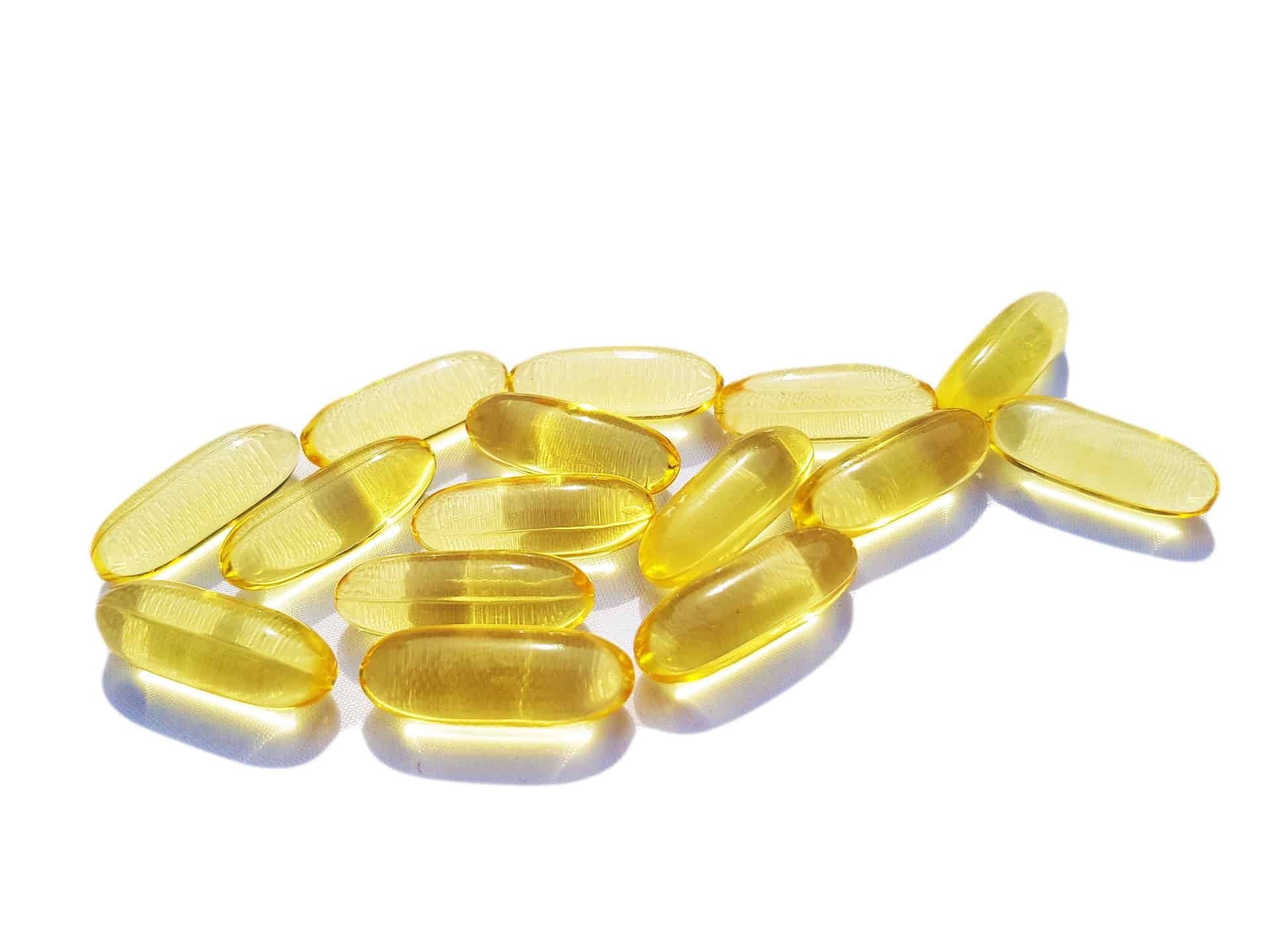
- Fish oil capsules: convenient and easy to swallow. Cutetonic® omega-3 fish oil capsules do not contain cod liver oil.
- Algae-based products: a fish-free option for people who avoid fish for religious, ethical or taste reasons.
- Flax or chia seed oils: plant-based oils you can drizzle on salads or stir into yoghurt.
How to read the label
- Check the amounts of EPA and DHA per capsule or serving.
- Look at the serving size and how many capsules it takes.
- Compare the price per serving, not just per bottle.
- Check for allergens and ingredients, including the capsule shell.
Ways to use food sources
Chia pudding
Stir 3 tablespoons of chia seeds into 250 ml of milk or plant-based drink with a little honey or maple syrup. Leave in the fridge overnight and top with fruit in the morning.
Walnut and seed topping
Mix chopped walnuts, ground flaxseed and hemp seeds, and sprinkle over porridge, salads or yoghurt.
Storing omega-3 products
Keep capsules and oils in a cool, dark place with the lid tightly closed, and follow any storage guidance on the label. Flax and seed oils are often kept in the fridge once opened.
Omega-3 FAQs
When should I take capsules?
Follow the directions on the label. Many people take them with a meal.
Do capsules taste of fish?
Some people notice an aftertaste. Keeping capsules in a cool place can help.
Can I open a capsule?
Follow the label directions and swallow them whole unless the label says otherwise.
Can vegetarians use omega-3 products?
Fish oil is not suitable for vegetarians. Look for algae-based products or seed oils.
Shop omega-3
Browse the Cutetonic® omega-3 range and compare the options.

Always check the product label for directions. If you have a medical condition, are pregnant or take medication, speak to your doctor or pharmacist before changing your diet or using a new product.